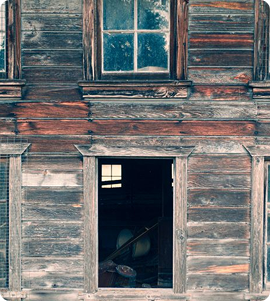
The housing crisis is often discussed in terms of affordability, housing shortages, and the need to build more homes. But there is another challenge that deserves greater attention: the deterioration of existing housing and the growing cost of deferred maintenance.
Two recent articles explore this issue from complementary perspectives. Strong Towns, in The Other Housing Crisis, examines the challenges surrounding deteriorating housing and the need to do more to preserve the homes communities already have. Next City, in Fixing the Housing Crisis Requires Cities to Repair Older Homes, explores how cities can improve housing repair efforts through better coordination, targeted investment, and more effective assistance programs.
Together, these articles underscore an important point: addressing the housing crisis requires more than constructing new units. It also means preserving existing housing, preventing avoidable deterioration, and helping property owners address problems before they become more difficult and expensive to resolve.
For local governments, this presents both a challenge and an opportunity. Deteriorating properties can affect neighborhood stability, residents’ quality of life, public health, and the local tax base. Yet identifying properties at risk and connecting owners with appropriate resources can be difficult, particularly when municipal departments face competing priorities.
Proactive property oversight, effective communication with responsible parties, code enforcement, and access to repair resources can all contribute to a more comprehensive approach. Enforcement alone cannot resolve every problem, especially when owners face financial hardship. But identifying issues early can help communities determine which interventions are needed and where assistance may make a difference.
Preserving existing housing is an essential part of strengthening communities. By combining early intervention, responsible property maintenance, and practical solutions for property owners, municipalities can help protect their housing stock, stabilize neighborhoods, and preserve housing opportunities for the future.